Thursday, 7 April 2016

The Scoop on Bee Poop
 
Honey bee hives - early spring


As an apiary tour guide I get asked a lot of interesting questions related to honey bees. One of the most prevalent questions that inquiring minds seem to want to know is … do honey bees poop?


The answer is, yes they do.


A drop of honey bee poop in the snow


All honey bees are very well ‘house trained’ and never poop in their hive. The first order of business as soon as the temperature outside is warm enough to allow flight, is a ‘cleansing’ flight. The snow all around these four hives is covered with little, yellow dots … or honey bee poop.


If cold weather begins in October our little honey bees may have all six legs crossed if spring is late!


Honey bee hive with Nosema


This is absolutely not something any beekeeper wants to see on a hive. This is honey bee diarrhea. It is caused by fungi and is capable of decimating an entire colony in short order. This is Nosema.


If one bee becomes infected with Nosema and has an ‘accident’ in the hive a house cleaning bee immediately cleans up. She is now infected as well. All the bees in the hive can become infected very quickly. Beekeepers can treat for Nosema yearly as a cautionary measure, but there is little to be done once it’s established. The hive and its contents are burned to stop the spread of this devastating disease.


Have you ever seen something that looks like this …


Or this … on your vehicle?


You guessed it, bee poop! It’s sticky business, not nearly as sweet as honey, and takes some real elbow grease to remove!


Friday, 1 April 2016

First Spring Feeding
 
Honey bee hives in the Yukon Territory in April.


There may still be snow on the ground, but our honey bees have been taking advantage of the beautiful spring temperatures Mother Nature has blessed us with this week. With flower blossoms still a few weeks away, those worker bees have something much more important on their minds …


Early pussy willows

The search for POLLEN.  One of the first sources of pollen in the spring is pussy willows. Guess I’m not the only one fond of them! You might also find a few foraging bees checking out your compost pile, or buzzing around any rotting wood. Fungus spores are used as pollen before the trees and flowers become a more reliable source.


Bee pollen patties
Bee pollen being added to a hive

Some lucky honey bees have kind benefactors who are willing to provide a pollen substitute, in the form of pollen patties. These are placed in the hive and give the bees ample access to this important nutrient.


Over the winter worker bees consume pollen to produce a continual supply of royal jelly to feed their queen. Come spring, stores of this precious commodity are low. As the warm weather heats the hive, the winter cluster breaks up, and the queen begins to lay eggs. She slowly starts the process of replacing winter workers that will die in the next couple months. Her egg-laying rate will continue to increase and peak mid-summer. With this new larva to feed, up goes the demand for pollen.


Joel and Courtney checking hives

With the temperature around 16oC this afternoon, it was the perfect day to have a quick peek inside the hives and leave some pollen. We will leave the bee cozies on just in case Mother Nature isn’t quite done with winter!


Honey on left and open cells on right

It was nice to see the bees still had a nice store of honey. Empty cells ensure room for the queen to begin laying eggs.


All the hives have a good number of bees and lots of honey. They look healthy, and ready for another season of making amazing Fireweed Honey!
 
Hives look good after initial check


Thursday, 24 March 2016

Let’s Get to the Point … Stingers

 
Foraging honey bee in alfalfa


When you mention honey bees, the first two things people usually think of are honey and stings. One incredibly sweet, the other … not so much!

It is certainly true that if you see a honey bee working, it is best to leave well enough alone. A foraging bee’s sole focus is to collect as much nectar and pollen as possible. Stinging is a defense mechanism and used only as a last resort to defend herself or her hive.


Honey bees that sting ... and those that don't


The queen bee
Queen honey bee

The queen bee can sting. She has a smooth, slightly curved stinger and she can sting repeatedly. The chances of you getting stung by a queen bee are pretty close to nil. She saves her venom for her queen rivals. Once she has established that she is sole queen of the hive she can no longer sting at all.


If you find a queen bee (again not likely unless you’re looking inside a hive) she’s pretty defenseless. But believe me, there are numerous other bees there to do the job!


The worker bee

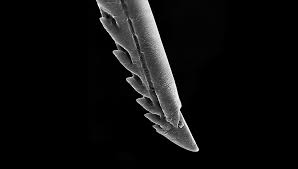
Magnified tip of a worker bee stinger

It’s the worker bee that defends the queen and the hive. With a sharp, barbed stinger, she’s well equipped to do the job. Once she stings she will fly away leaving her stinger, poison sack, and muscles from her abdomen to pump the poison in.


The drone


Well, those lazy drones live up to all expectations. They don’t sting. They aren’t even equipped with stingers! They maintain their reputation as the cute, friendly honey bees!


What happens to you after a sting


Removing a honey bee stinger

The first order of business is to remove the stinger. The best plan of action is to scrape the stinger out with a fingernail, credit card, etc. What you don’t want to do is pinch the poison sack and inject more venom. Once the stinger has been removed ice and a topical ‘bug bite’ ointment can be applied. Old time beekeepers have been known to hold a penny (remember those??) on a sting to reduce pain and swelling.


Reactions to bee stings can range from a slight tender spot to full anaphylactic shock which can result in death. Someone who has been stung should be monitored for ANY symptoms that indicate an allergic reaction, and appropriate measures taken.


What happens to the worker bee after a sting

Worker bee after stinging


After stinging, her life is over. She can live up to an hour before dying. As you can imagine, stinging is not something she wants to do, but she will not hesitate to give her life in defense of her hive, or herself.


If you accidentally put your hand down on a honey bee, she will give you a ‘buzzing’ warning. As long as you haven’t squished her too badly, she’s usually happy to just get away!


Benefits of bee venom


Believe or not, there most definitely are benefits to bee venom. If you happen to have arthritis, and just happen to get stung by a honey bee … you might just want to leave that stinger in. Bee venom is known to relieve the symptoms and pain of arthritis and studies are being done on bee venom and MS.


Chances of being stung


The actual chances of being stung by a honey bee are pretty slim. Most stings happen when someone steps on, sits on or accidentally squishes a honey bee. If by chance a foraging bee decides to visit you, it is best to not try to brush her off (sometimes hard in that panic mode!!) but blow or shake her off.


Mistaken identity


You are much more likely to be bit or stung by a wasp, yellow jacket or hornet. These insects are quite aggressive unlike our peace-loving honey bees!

 
Worker honey bee
Wasp